
On alternate Fridays, the Reading and Math Buddies stayed in the classroom to be general all-round helpers — teacher Buddies of sorts. They also got to observe and support their four tutees in their classrooms. On the other days of the week, the Big Buddies tutored their kids one-on-one for 30 minutes, in a quiet space, in the hallway just outside each classroom door.
One of my Reading Buddies was in a first grade class when an enthusiastic teacher began a discussion about “weeds”. One little six year old boy could hardly keep still, jumping up and down, waving his hand in the air to get the teacher’s attention. He was eager to share.
“I know, I know what else you can do with weed”, he said, “Smoke it!”
The teacher embarrassed and not knowing how to respond, ignored him, stayed on task and continued speaking to the entire class about her lesson that she had prepared on weeds. She tried her best to “explain” the meaning of weeds that she wanted conveyed. Without a real lived experience in a garden, the students didn’t get her point.
Disappointed at being ignored, the little boy turned to his classmate seated next to him and remarked, “That’s the last time I’ll tell her anything!”
Children living in New York City, have few opportunities at home to play in the dirt, to weed or plant flowers and vegetables. They don’t know why some plants are weeds and others not. These students have no background knowledge or prior knowledge about gardening or the word “weed” in the context that the teacher wanted to focus on. Drug use was not the topic that this teacher wanted to discuss with her six year old students.
But at least one child did have some background knowledge about another kind of weed–the marijuana kind.
This was a lovely little school in Harlem with a wonderful and supportive principal. This school was the only one that had its own school garden– a resource that this teacher didn’t use. She needed to do some planting and weeding of her own about the topic that she wanted to introduce. Her lesson should have been preceded by a visit to that school garden. That would have been experiential learning, problem based learning, hands on learning, action based learning, learning from the concrete experience and not merely from her words or abstract speech.
With a real lived experience of pulling weeds in a garden, the children would have had the background knowledge to engage in meaningful discussion about weeds. Their writing would improve. They could include the details about the weeds that they observed. They could explain why some plants are considered weeds and others not.
But experiential learning takes time…lots of time. Time without pressure for a hurried answer on a bubble sheet of a standardized test– time to explore, time to learn, time to fully understand, time to make meaning. And you need time to acknowledge a six year old boy’s excitement and willingness to participate in a class discussion. Responding appropriately requires creativity, skill, a little humor and a lot of confidence in one’s self as a teacher and guide for these young minds. Completely ignoring him was not the right response.
This story came back to me as I spent one hour this morning, pulling weeds in an overgrown garden.
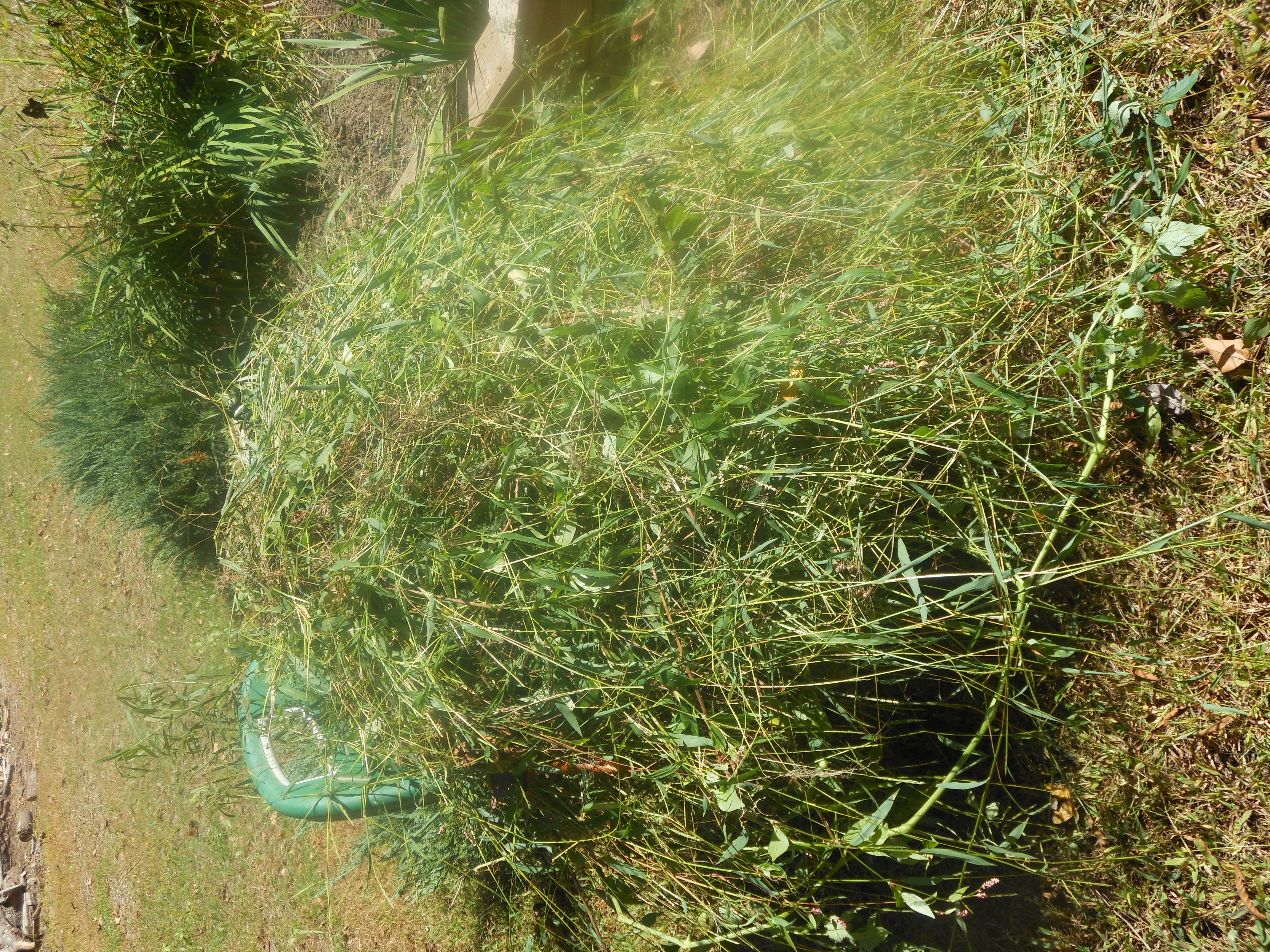
The actual process of weeding, became a catalyst for thinking about weeding in general…getting rid of the junk in your mind, of the clutter that takes over, and of the stuff that interferes with the successful teaching and learning in our schools.
Weeds will grow just like everything else does. How do weeds take root? Why do weeds take over?
Weed growth is just a natural process of growth. Growth is in the DNA of weeds. Anything that is planted will grow, and if it’s planted in the wrong place, or if the wrong seeds are sown, you soon have a garden full of weeds. You can’t blame the children for the weed seeds that have been fertilised in their little minds. In teaching, you have to be aware of the weeds, the misunderstandings, the incorrect information, the missing knowledge and the downright inappropriate…and weed, that is weed out…if you want to be successful and help your students learn. Nothing to be embarrased about…the fact is, in this little boy’s environment, weed was for smoking.
Weeds will grow along side the good things, and you won’t notice them in the beginning. Then they get bigger and bigger and rude and presumptious and want to take over…like the weeds I found in my garden today.
Public schools are places where lots of weeding needs to be done and for that teachers need time and freedom to teach. Teaching is not only about planting good seeds, but weeding out the stuff that interferes with the learning process.
Some of those weeds are inadvertently planted and nurtured within the school and classroom environments that are supposed to nurture our children’s growth. Good teachers have to be weeders. Teachers must not only teach and plant good seeds, but they have to weed…they have to uncover the issues that interfere with children’s learning…they have to uproot the weeds that choke out the growth of the good seeds, if our children are to have the opportuntity to learn and to succeed. This is not an additional job for teachers, this is an integral part of the teaching process. There is a current tendency to blame the home environment but the “weed” seeds are in the air, in the school and classroom enviroments, and in the current educational system that offers very little experiential learning, and where “testing” has been implemented and instituted as an excuse for teaching.
Bob Marley reminded us, “Everybody wants to go to heaven, but nobody wants to die!”  Everybody wants to be successful, but aren’t anxious to do the hard work needed. We want to have beautiful gardens, successful schools,
but don’t really want to be bothered to do the hard work associated with weeding.
The weeds take root, and soon take over unless there is a consistent daily routine for pulling them out. When we don’t do the weeding on a regular basis, the weeds take over.
But, the good news is, the weeds are easily removed…you just have to decide to remove them…it is work… whether they be in the garden or in the mind or in the classroom. When it comes to weeding in schools and classrooms, that has to be individualised. One-on-one, not “mass-production” teaching or drive-through education. Someone needed to take the time with that little boy to explain the different meanings of “weed”. This was a missed opportunity for weeding and teaching.
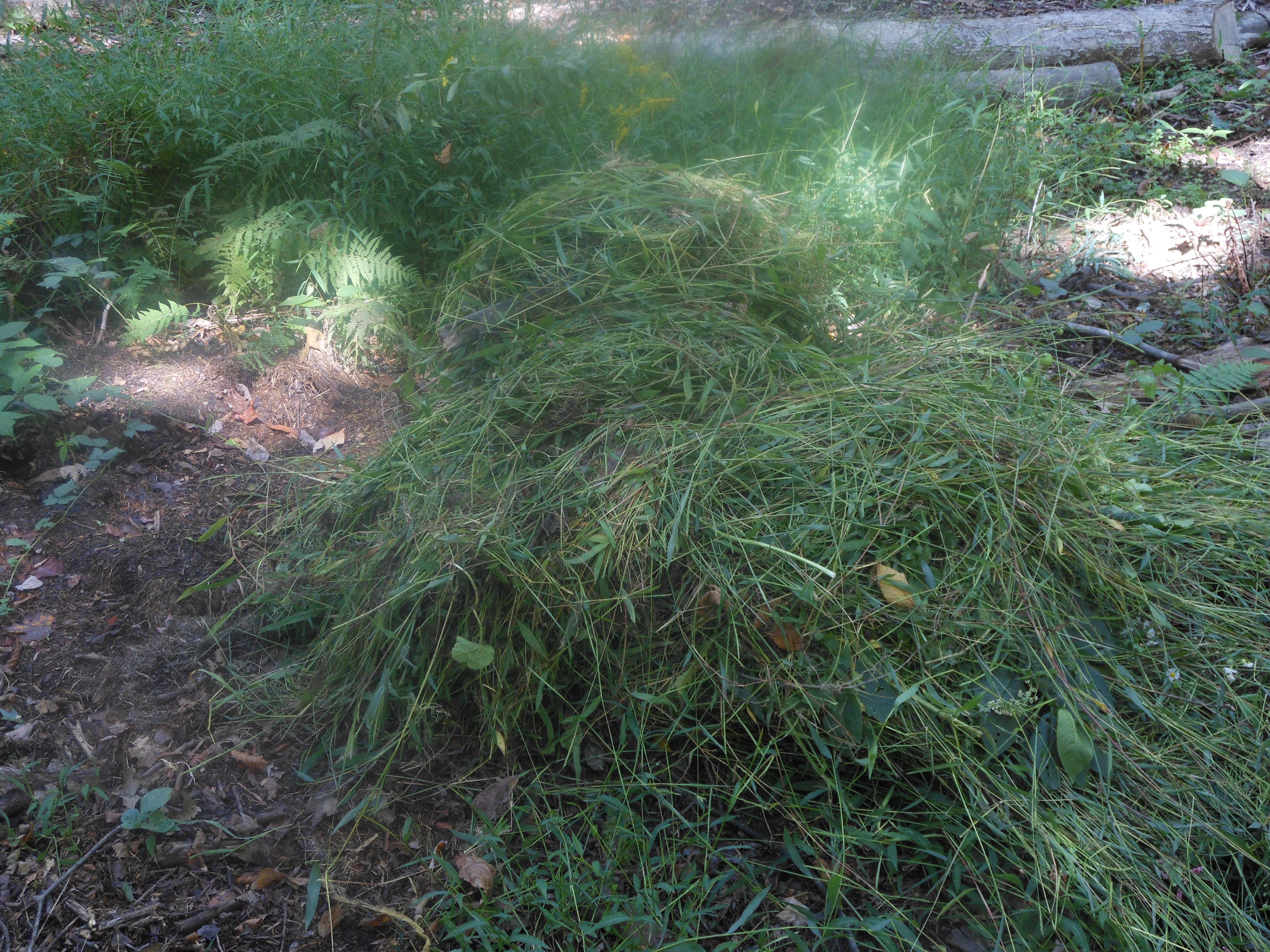
Remove the weeds and dump them in a compost heap before they take over and the garden becomes overun and totally out of control.
 All About Learning
So very, very trure.
The burden falls on parents and teachers to remove impediments hindering growth. Guidance should bear some fruit; a house without proper foundation cannot stand.
So many weeds have medicinal uses…perhaps we need to make a paradigm shift where education is concerned.
We build out organizational structures on a democratic philosophy but operate in many areas with a single focus rendering many useful weeds invisible which minimizes the opportunity for teachable moments.
We build our organizational structures on a democratic philosophy but operate in many areas with a single focus rendering many useful weeds invisible which minimizes the opportunity for teachable moments.